DOP MONGETA DEL GANXET

General and Descriptive Information
What distinguishes legumes from the rest of the angiosperms is the structure of the flower and the fruit or legume.
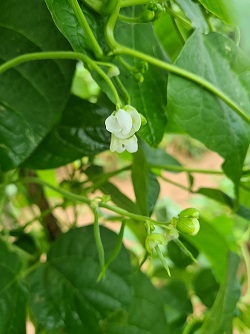
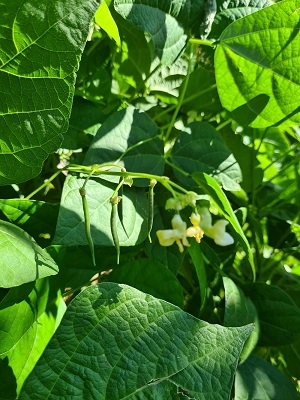
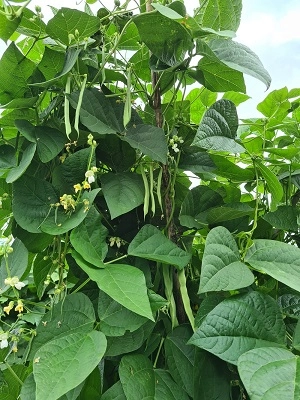
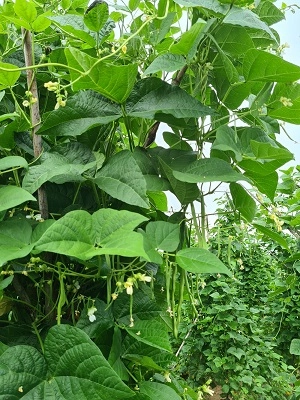
The flower is zygomorphic and is formed by five fused sepals and a dialypetalous corolla of five petals that differ from one another. The upper petal is larger than the rest and is called the standard; the two lateral ones, called wings, sit below it and envelop the two lower ones, which form the keel and are slightly fused. Altogether, the flower resembles a butterfly, which is why these plants are also known as papilionaceous.
The stamens, ten in total, fuse to form a tube that surrounds the single unicarpellate pistil with many seeds.
Legumes are dehiscent dry fruits that open along a longitudinal suture; they can be elongated, like peas, or short and rounded, like chickpeas. The number of seeds they contain varies. Leguminosae are herbaceous and shrubby plants, though they include some tree species. The leaves are compound or simple. Many of them feature stipules at the point where the leaf joins the stem.
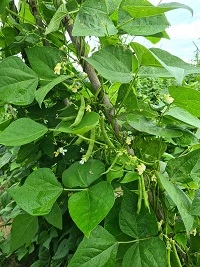
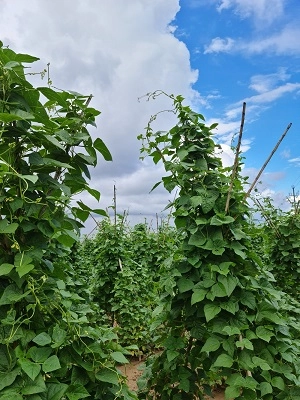
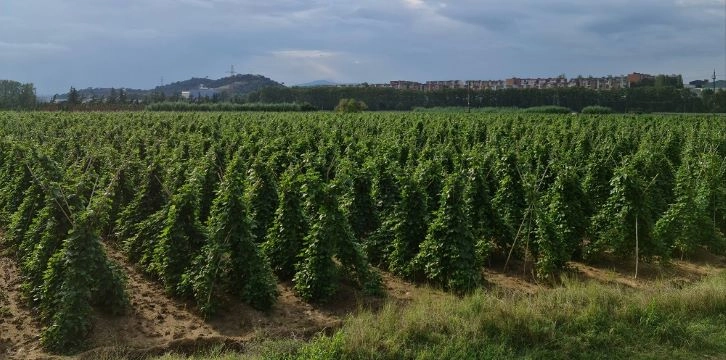
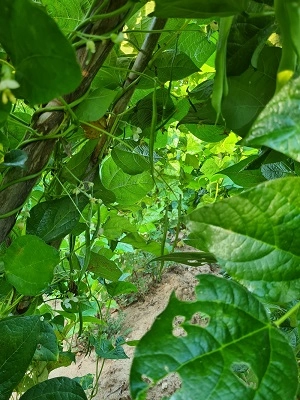
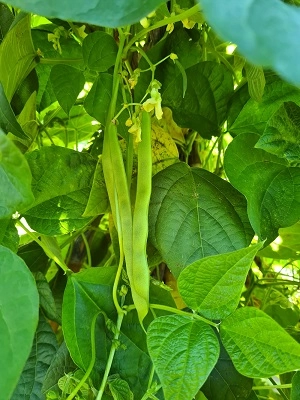
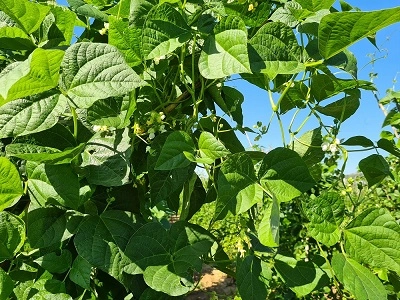
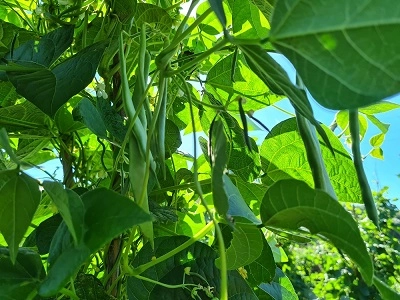
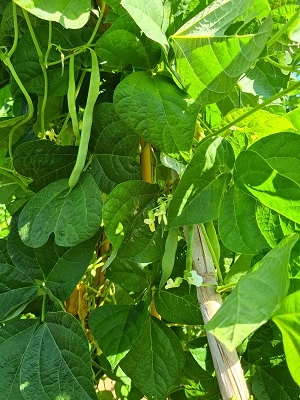
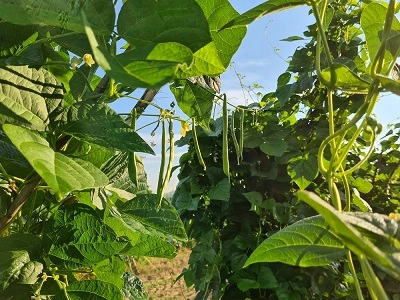
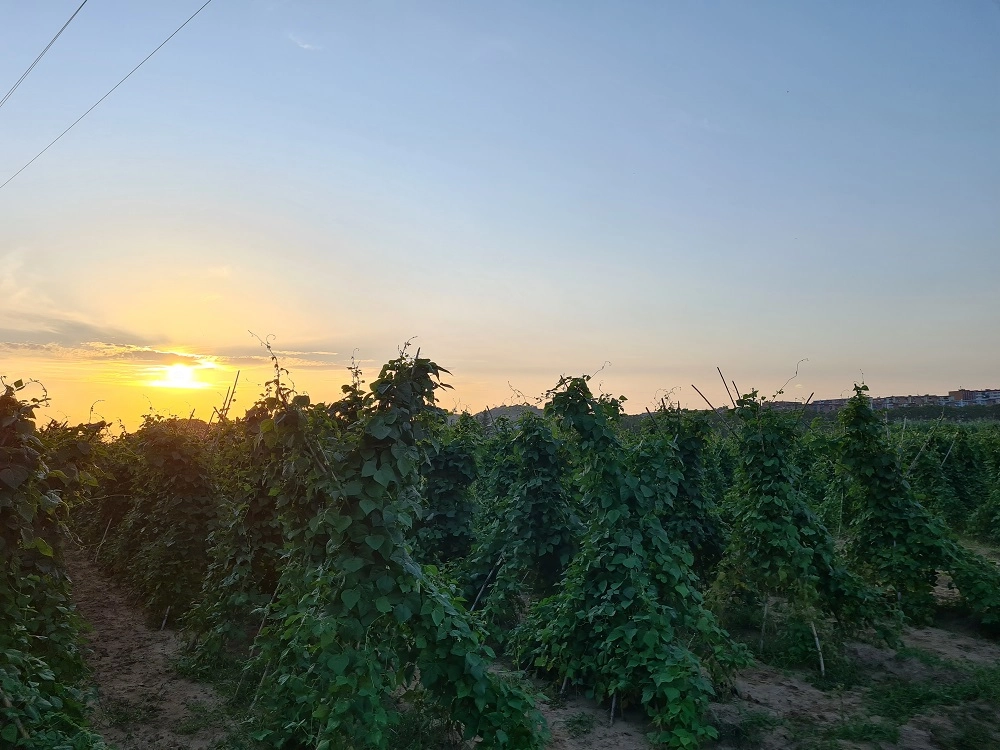
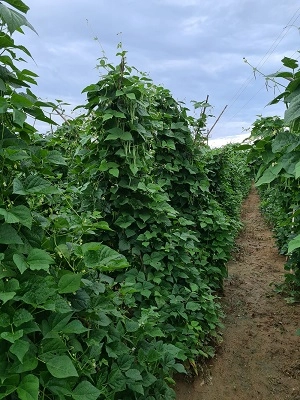
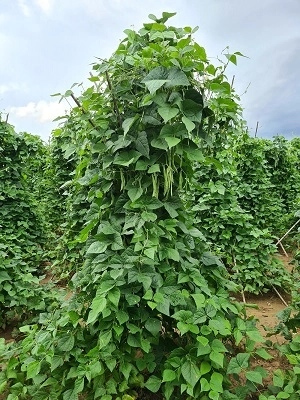
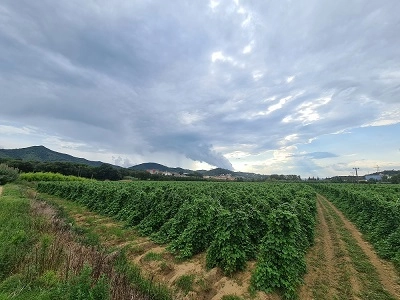
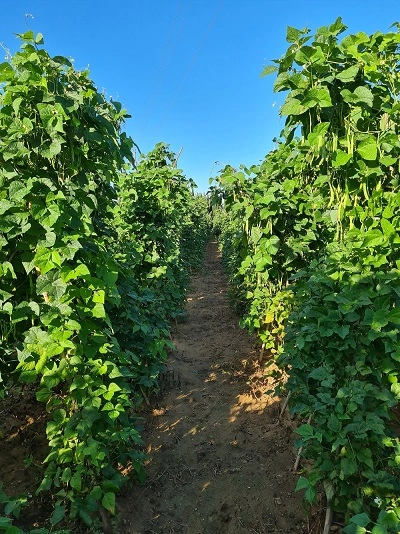
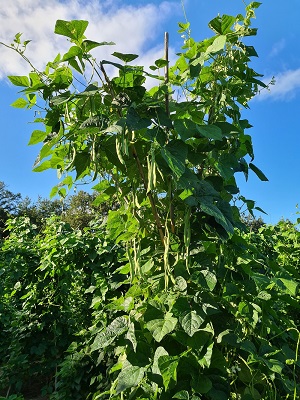
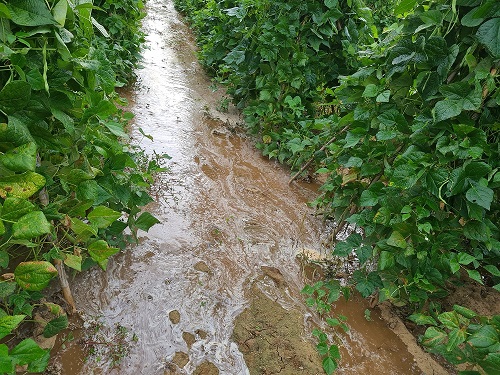
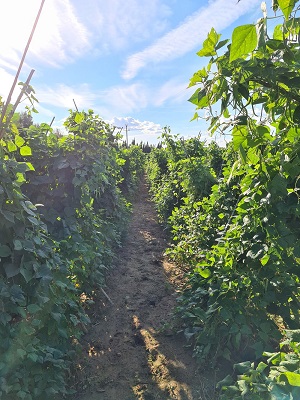
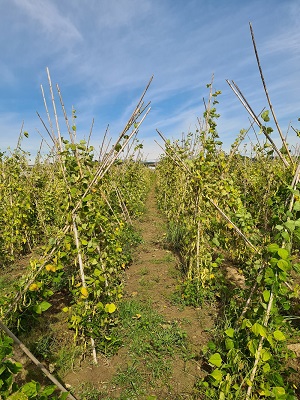
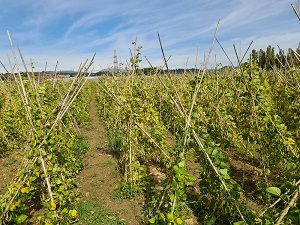
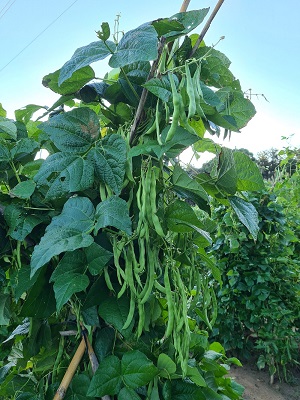
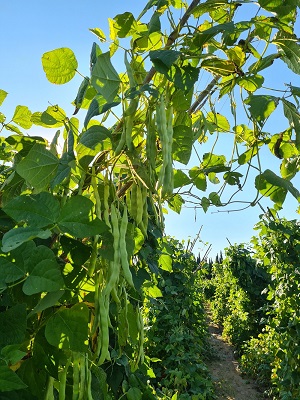
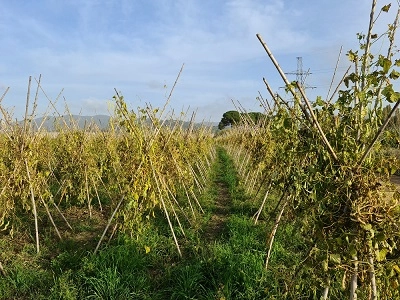
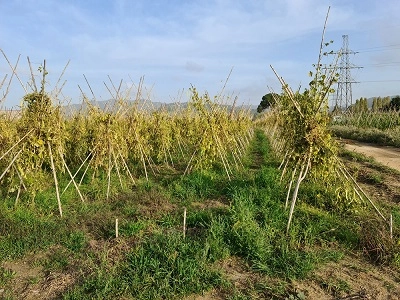
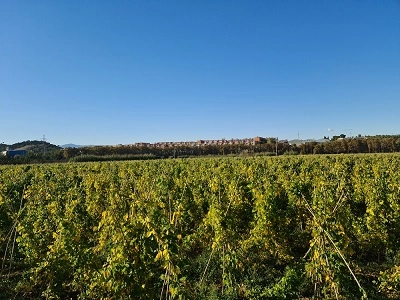
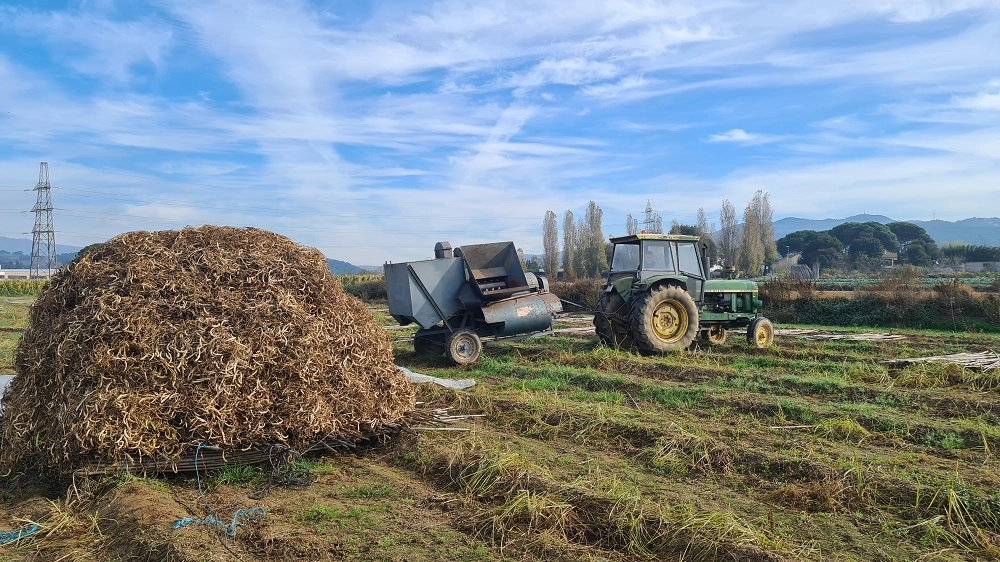
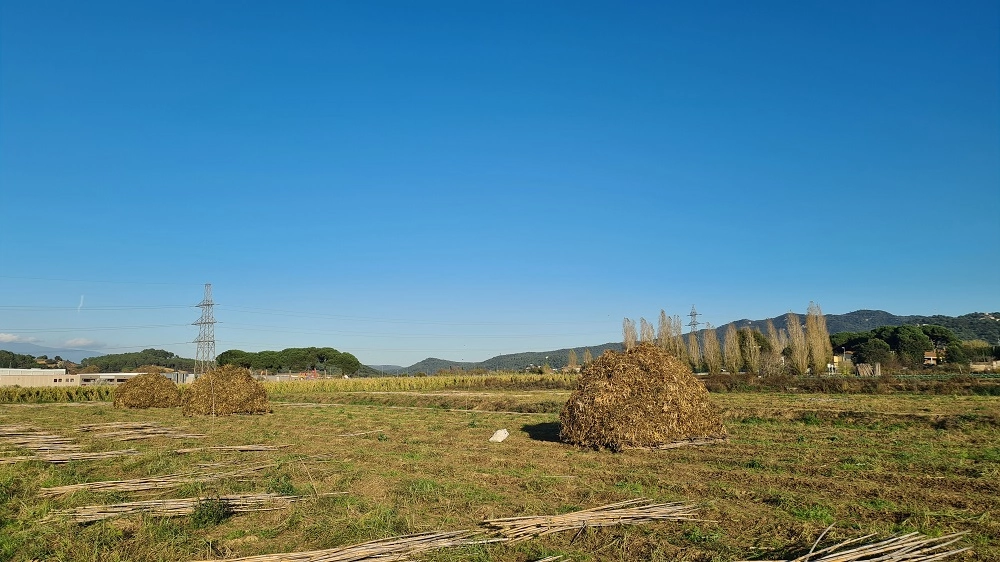
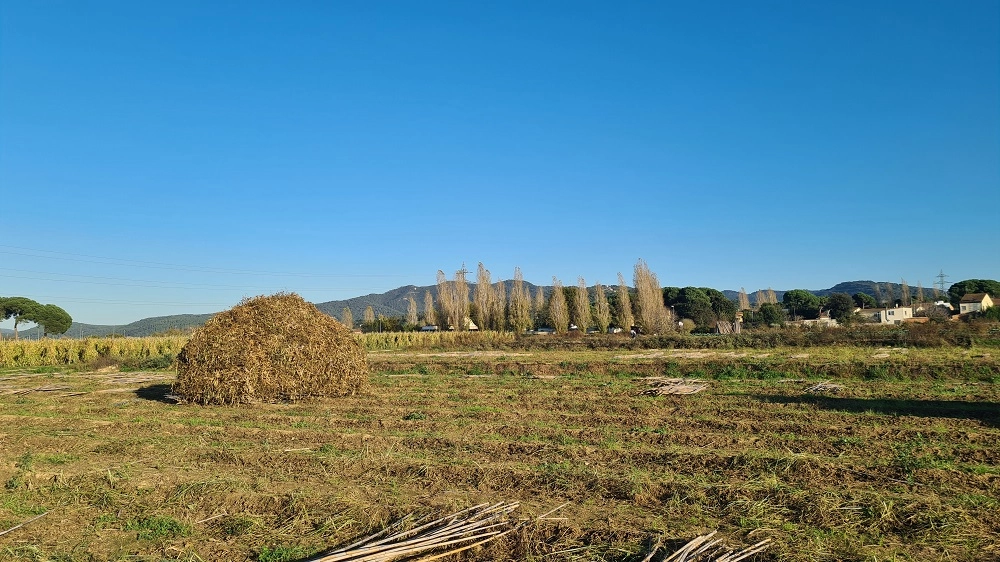
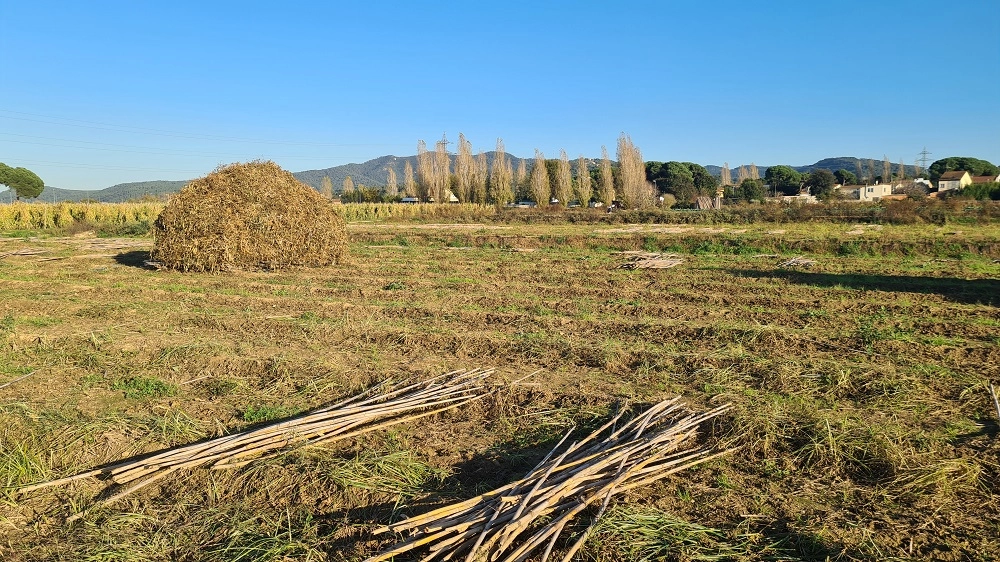
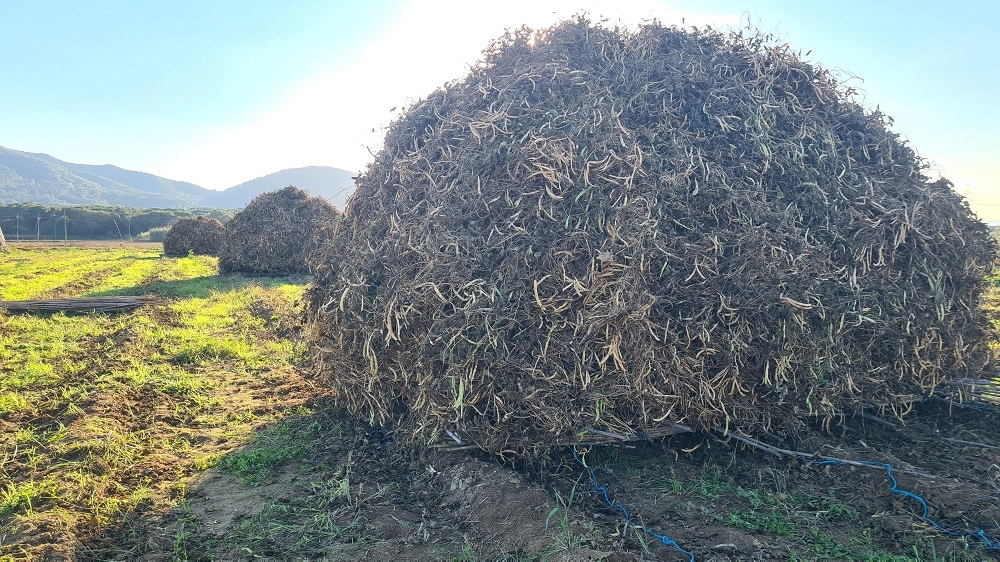
The common bean (Phaseolus vulgaris) is an annual herbaceous plant with climbing stems. The leaves are trifoliate and have two small stipules at the base of the petiole. The flowers, yellowish in color, have a curved keel. They are cultivated in vegetable gardens on stakes prepared so the plants can climb. They are harvested green, or the pods are left to dry on the plant to collect the seeds later, once they have dried.
Other legumes of dietary interest include chickpeas (Cicer), lentils (Lens), broad beans (Vicia), and soy (Glycine). Some are important as forage: alfalfa (Medicago) and clover (Trifolium). There are other tree species, such as the carob tree (Ceratonia siliqua), a very characteristic tree of the Mediterranean region.
The Ganxet variety features late-season plants with indeterminate and climbing growth, long internodes, dark green leaves and pods, and white flowers. The Ganxet bean has a slightly shiny white grain, flattened and strongly kidney-shaped. They produce pods 13.6 to 17 cm long with 3.7 to 5.8 seeds per pod and yields of 36.3 to 51.9 g/plant. The seeds are medium to large in size (37.3 to 61.9 g/100 seeds), flattened and hooked (hook grade between 1.5 and 2.8 out of 3). Once cooked, the bean has a slightly wrinkled and very thin skin, with a persistent creaminess and an extremely mild flavor. Ganxet beans have been a traditional crop in certain areas of Catalonia since ancient times.